Most homeowners think of energy efficiency and appliance repairs as two separate topics one about your electric bill the other about broken parts. In reality, they’re closely connected. The habits that keep your appliances running efficiently are often the same habits that keep them running period. An overworked compressor, a straining motor, or a fan fighting against blocked airflow doesn’t just cost more to run it wears out faster and breaks down sooner.
This guide covers the everyday habits that reduce strain on your appliances lower your utility bills, and cut down on how often you need a repair call. If something’s already gone wrong before you get to prevention, our team handles appliance repair across the area including refrigerator repair, which tends to be the appliance most affected by daily habits.
Why Energy Efficiency and Repair Frequency Are Linked
Appliances are built around mechanical and electrical systems compressors, motors, heating elements, fans that are engineered to operate within a specific range of conditions. When an appliance runs harder than it needs to (blocked vents, overloaded compartments, dirty components or being pushed past its supposed capacity) several things happen at once:
- Energy consumption rises, because motors and compressors have to work longer or harder to reach the same result
- Internal components heat up more than they’re designed to, accelerating wear
- Parts like belts, fans, seals and bearings degrade faster under sustained strain
- Small issues that would normally go unnoticed get amplified into bigger failures
Put simply: an appliance running efficiently is, almost by definition, an appliance running the way it was designed to. Habits that reduce energy waste are the same habits that reduce mechanical stress which is why they end up reducing repair frequency too.
Refrigerator Habits That Cut Energy Use and Repairs
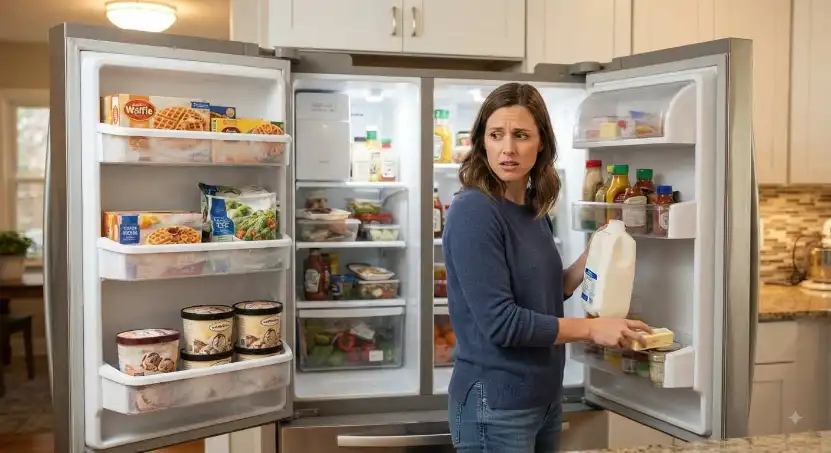
The refrigerator is the hardest-working appliance in most homes it runs 24/7, every day of the year. Small habits here compound significantly over time.
1. Keep the Right Temperature Settings
Refrigerators are most efficient at 37–40°F (3–4°C), and freezers at 0°F (-18°C). Setting the fridge colder than necessary doesn’t make food last dramatically longer, but it does force the compressor to run more frequently and for longer stretches, increasing wear.
2. Don’t Overpack or Underpack the Fridge
A completely empty fridge has to cool more air (which escapes quickly every time the door opens), while an overstuffed fridge blocks internal airflow, forcing the evaporator fan to work harder to circulate cold air evenly. The sweet spot is roughly 70–75% full, leaving enough room for air to move freely around vents.
3. Clean the Condenser Coils Regularly
Dust and pet hair on condenser coils force the compressor and condenser fan to work significantly harder to release heat. This is one of the most common preventable causes of both high energy bills and premature compressor failure.
Maintenance tip: Vacuum condenser coils every 6 months. If you’ve noticed unusual sounds along with rising energy use it’s worth reading through our guide on refrigerator buzzing noise causes and fixes dirty coils are a leading cause of that particular symptom too.
4. Check Door Seals (Gaskets) Periodically
A worn or loose door gasket lets cold air escape continuously which means the compressor never really gets to rest. Test yours by closing the door on a piece of paper if you can pull the paper out easily, the seal likely needs replacing.
5. Give It Breathing Room
Refrigerators need 1–2 inches of clearance on the sides and top and more behind the unit, for proper heat dissipation. A fridge pushed flush against a wall or cabinet traps heat around the compressor and coils forcing the system to run longer cycles.
Washing Machine Habits That Extend Lifespan
Washing machines combine water, motors, and mechanical drums a combination where small habits make a big difference in both efficiency and mechanical stress.
Habits worth adopting:
- Avoid overloading the drum. Overloading forces the motor and bearings to work against unbalanced weight, which accelerates wear on the drum bearings and belt.
- Use the correct amount of detergent. Excess detergent leaves residue in hoses and the drum which can affect drainage and force the pump to work harder over time.
- Leave the door open between washes (front-loaders especially) to prevent mold and mildew buildup which can clog seals and affect the door lock mechanism.
- Run a monthly cleaning cycle using a washer-cleaning tablet or hot water with vinegar to prevent mineral and detergent buildup in the drum and pump.
- Check hoses annually for cracking or bulging, since a burst hose is one of the most damaging and costly appliance failures a home can experience.
Dryer Habits That Reduce Fire Risk and Repair Frequency
Dryers are unique among home appliances in that poor maintenance habits create not just efficiency and repair issues, but genuine fire hazards.
Key habits:
- Clean the lint trap after every single load not occasionally, every time.
- Clean the dryer vent duct at least once a year, and more often if you dry frequently or have long duct runs. According to the U.S. Consumer Product Safety Commission, failure to clean dryer vents is one of the leading contributing factors in home dryer fires.
- Don’t overload the drum clothes need room to tumble freely for the heating element and motor to work efficiently.
- Check the outside vent flap periodically to make sure it opens freely and isn’t blocked by debris, snow or nesting animals.
A clogged vent doesn’t just waste energy it forces the heating element to run longer per cycle and traps excess heat inside the unit, which is a common cause of premature heating element failure.
Dishwasher Habits That Improve Efficiency and Longevity
Simple habits that make a real difference:
- Scrape, don’t rinse. Pre-rinsing dishes under the tap wastes water and isn’t necessary for most modern dishwashers which are designed to handle light food residue.
- Run full loads only. Partial loads waste water and energy proportionally, without reducing wear you’re paying the same mechanical cost for less benefit.
- Clean the filter monthly. A clogged filter forces the pump to work harder and can lead to poor cleaning performance, odors and eventually pump failure.
- Use rinse aid to prevent mineral buildup on interior components, especially in hard water areas.
- Run a monthly cleaning cycle with a dishwasher cleaner or a bowl of white vinegar to break down grease and mineral scale.
HVAC and Water Heater Habits Worth Mentioning
While this guide focuses primarily on kitchen and laundry appliances, a couple of whole-home habits deserve a mention since they follow the same efficiency-repair connection:
- Replace HVAC air filters every 1–3 months a clogged filter forces the blower motor to work harder, increasing energy use and wear.
- Flush your water heater tank annually to remove sediment buildup, which reduces heating efficiency and can shorten the tank’s lifespan.
Quick Reference: Habit-to-Benefit Table
| Habit | Primary Benefit | Appliance |
|---|---|---|
| Clean condenser coils every 6 months | Lower energy use, less compressor strain | Refrigerator |
| Keep 70–75% fridge capacity | Even airflow, consistent cooling | Refrigerator |
| Clean lint trap every load | Fire prevention, efficient drying | Dryer |
| Avoid overloading drum | Less bearing/motor wear | Washer, Dryer |
| Run full dishwasher loads only | Water and energy savings | Dishwasher |
| Check door seals/gaskets | Prevents constant compressor cycling | Refrigerator |
| Clean dishwasher filter monthly | Prevents pump strain and odors | Dishwasher |
How to Build These Habits Into a Routine
The hardest part of appliance maintenance isn’t knowing what to do it’s remembering to actually do it. A simple seasonal checklist tends to work better than trying to remember individual tasks on different schedules.
A practical approach:
- Monthly: Clean dishwasher filter, wipe washer gasket, check dryer lint trap habit
- Every 6 months: Vacuum refrigerator condenser coils, run washer/dishwasher cleaning cycles
- Annually: Clean dryer vent duct, check all appliance door seals, flush water heater, replace HVAC filters as needed
Setting phone reminders or marking these on a shared household calendar makes a bigger difference than most people expect the appliances that get regular attention are consistently the ones that go the longest between service calls.
When Habits Aren’t Enough
Good habits significantly reduce repair frequency but they don’t eliminate the natural wear that comes with years of daily use. Belts stretch, seals degrade, motors wear down and electrical components eventually fail regardless of how well an appliance has been maintained. The goal of good habits isn’t to avoid repairs forever it’s to delay them, catch problems early, and avoid the kind of preventable damage that turns a small fix into a major replacement.
If you’re noticing unusual noises, rising energy bills without an obvious cause, or performance that’s gradually declining despite regular maintenance it’s worth getting a professional opinion before a minor issue becomes a bigger one. You can check the service areas we cover or visit our contact page to schedule a diagnostic visit.
Frequently Asked Questions
Does keeping my refrigerator too cold actually damage it? Not directly but it does force the compressor to run more often and for longer periods than necessary which accelerates general wear over time. Sticking to the recommended 37–40°F range is both more efficient and gentler on the system.
How often should I really clean my dryer vent? At minimum once a year, but if you dry laundry frequently, have pets that shed, or have a long or winding duct run to the exterior, every 6 months is safer. A clogged vent is one of the top preventable causes of both dryer fires and heating element failure.
Can overloading my washing machine actually cause a breakdown? Yes. Overloading puts uneven stress on the drum bearings, motor, and suspension system, and over time this leads to bearing wear, belt slippage, or motor strain that wouldn’t occur under normal loads.
Is it worth running my dishwasher with a partial load to save time? It’s better for your schedule but not for your appliance’s efficiency partial loads use nearly the same amount of water and energy as full loads, so you’re getting less value per cycle without reducing wear on the pump or motor.
Do these habits really make a measurable difference, or is it mostly marginal? The difference is often more significant than people expect. Compressors, motors and heating elements are engineered around specific operating conditions when appliances run outside those conditions consistently (blocked airflow, sediment buildup, constant overloading), the cumulative wear over months and years adds up to meaningfully shorter appliance lifespans and more frequent service calls.
What’s the single most impactful habit I can start with? For most households cleaning the refrigerator condenser coils and the dryer lint trap consistently make the biggest combined difference the refrigerator runs constantly, and the dryer carries genuine fire risk when neglected so these two habits offer the most return for the least effort.
None of these habits require special tools or technical skill just consistency. The households that go the longest between repair calls are almost always the ones that treat appliance maintenance as routine, not as something to think about only after something breaks. If you’d like help building a maintenance plan for your specific appliances or you’re dealing with an issue that’s already past the prevention stage, visit our homepage to see how we can help.